French Macarons
Highlighted under: Sweet Baking
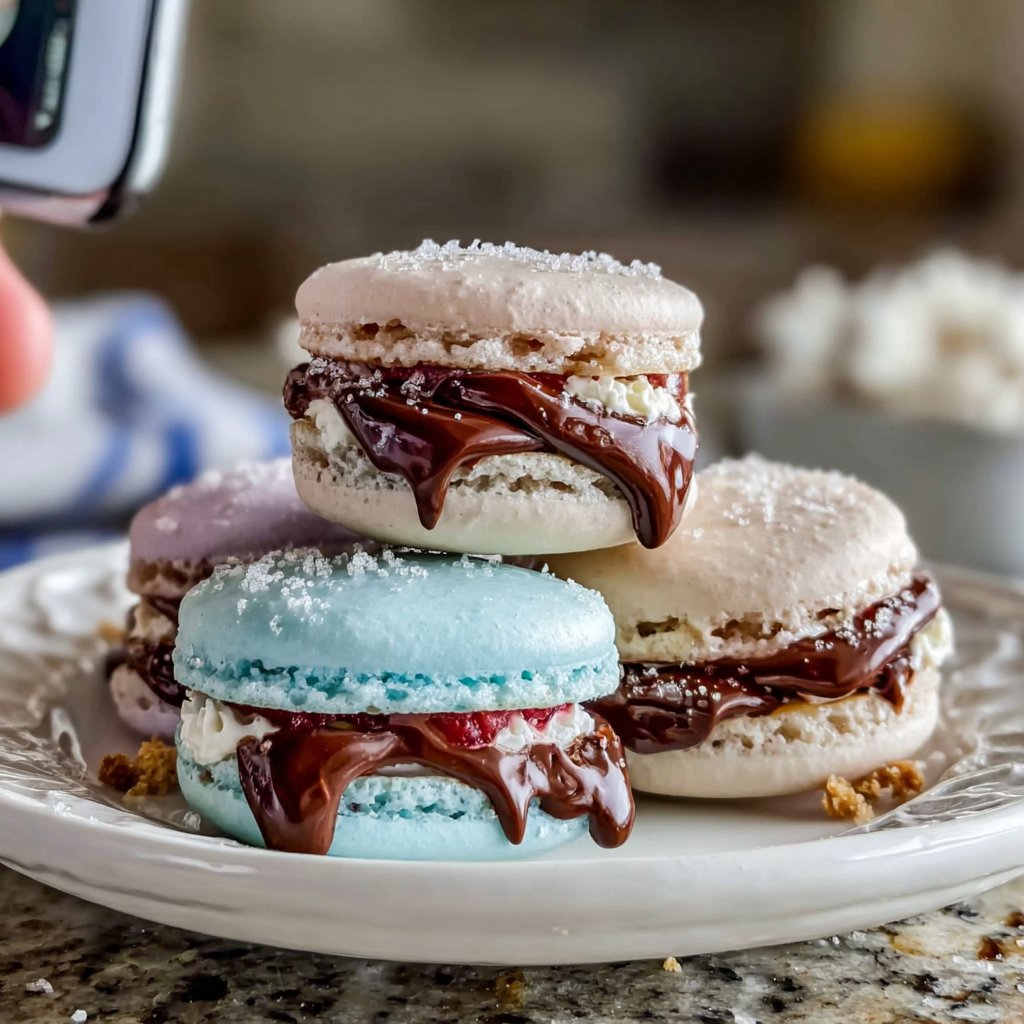
I love making French macarons because they are not only visually stunning but also incredibly delicious! Each bite is a perfect balance of crispness on the outside and a soft, chewy center. I found that using a kitchen scale for precise measurements is key to achieving that perfect texture. It took some trial and error, but once I got the hang of it, these little treats became a regular feature in my kitchen. Whether for a special occasion or just a sweet indulgence, French macarons are always a hit!
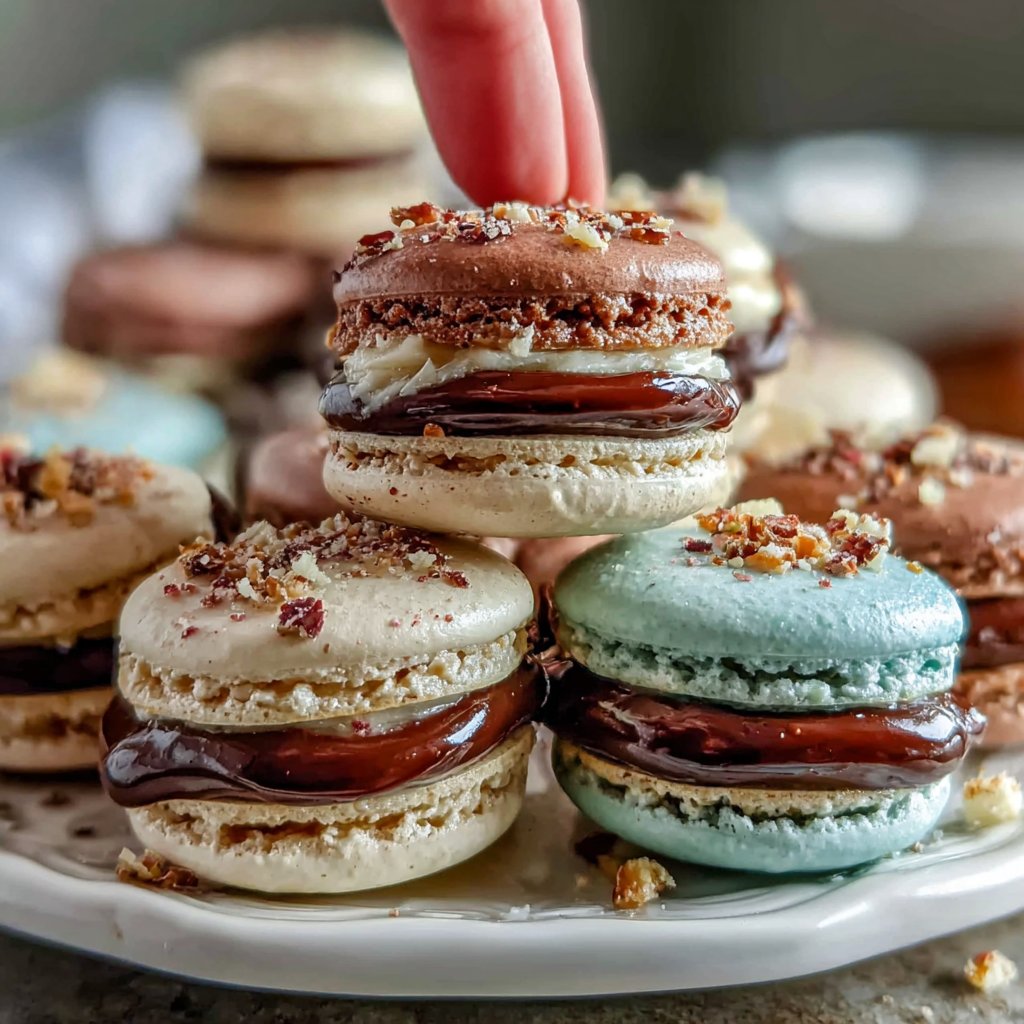
Making French macarons was a labor of love that tested my patience and skills. I learned that the key to success lies in the meringue. Achieving the right stiff peaks allows the macarons to rise beautifully and develop their characteristic 'feet.' After several attempts, I found that allowing the assembled macarons to rest for a while before baking made a world of difference in their texture.
Each flavored filling adds a unique twist, from zesty lemon to rich chocolate ganache. I particularly enjoy experimenting with different flavors and colors, making them perfect for any occasion. Sharing these delightful bites with friends always brings joy, and the oohs and aahs are worth every effort!
Why You'll Love These French Macarons
- Delicate shells with a crisp exterior and chewy interior
- Endless flavor combinations to suit every palate
- Impressive and beautiful, perfect for gifting or events
Mastering the Macaron Technique
Creating perfect French macarons hinges on mastering the macaronage technique. This process involves gently folding the almond flour mixture into the whipped egg whites. The goal is to achieve a batter that flows smoothly and has a glossy sheen. It should spread out slowly when piped, resembling thick lava. Be cautious not to overmix; otherwise, your macarons may turn out flat. The ideal texture is crucial for achieving those lovely feet, which are the characteristic ruffled edges of a well-made macaron.
A kitchen scale is invaluable when making macarons. Accurate measurements are vital for ingredient proportions that affect the texture. For instance, using the right amount of egg whites ensures the meringue structure is stable, while the almond flour and powdered sugar create the necessary lightness in the shells. If you don't have almond flour on hand, you can blitz blanched almonds in a food processor until fine, but be cautious not to create almond butter. Strive for uniformity in flour size to ensure even baking.
Flavor and Filling Options
The filling of your macarons is where you can get creative. While a classic vanilla buttercream is delicious, experimenting with flavors like pistachio extract, espresso powder, or fruit purees can elevate your treats. For fruit purees, I recommend straining them to remove seeds and excess moisture. This helps achieve a smoother filling that won't make the macarons soggy over time. Ensure your filling is thick enough to hold its shape when piped; a loose filling can cause macarons to slide apart.
If you're looking for a dairy-free option, consider using silken tofu blended with maple syrup and your favorite flavoring as a filling. This alternative is not only vegan but also adds a unique texture that pairs beautifully with the macarons' crisp shell. Whatever filling you choose, make sure it complements the flavor of the macaron shell for a harmonious bite.
Ingredients
Gather the following ingredients to create perfect French macarons:
Macaron Shells
- 1 cup almond flour
- 1 3/4 cups powdered sugar
- 4 large egg whites
- 1/4 cup granulated sugar
- 1/4 teaspoon cream of tartar
- Food coloring (optional)
Filling
- 1/2 cup unsalted butter, softened
- 1 1/2 cups powdered sugar
- 1 teaspoon vanilla extract
- Flavoring (like raspberry puree or chocolate)
Make sure to sift the almond flour and powdered sugar together to avoid lumps for a smooth batter.
Instructions
Follow these steps carefully to achieve perfect French macarons:
Make the Macaron Batter
Sift the almond flour and powdered sugar into a bowl. In a separate bowl, whip the egg whites and cream of tartar until soft peaks form. Gradually add the granulated sugar, continuing to whip until stiff peaks form. Gently fold in the almond flour mixture until the batter flows like lava. If desired, add food coloring.
Pipe the Macarons
Transfer the batter to a piping bag and pipe small circles onto a lined baking sheet. Tap the baking sheet on the counter to release air bubbles. Let the macarons sit for about 30 minutes, or until they form a skin.
Bake the Macarons
Preheat the oven to 300°F (150°C). Bake the macarons for 15 minutes, rotating the tray halfway through. Let them cool completely before removing from the parchment paper.
Prepare the Filling
While the shells cool, beat the softened butter with the powdered sugar until smooth. Mix in the vanilla extract and selected flavoring.
Assemble the Macarons
Pair up the macaron shells and pipe a small amount of filling onto one shell before sandwiching it with the matching shell. Repeat for all.
Store the macarons in an airtight container in the fridge for up to a week to allow the flavors to meld!
Pro Tips
- For best results, use aged egg whites and let them come to room temperature before whipping. Don’t forget to tap the baking sheet to remove any air bubbles from the batter.
Troubleshooting Common Issues
If your macarons don't form feet, it could be due to overmixing the batter, which can cause them to lose their structure. Alternatively, insufficient resting time before baking can prevent the formation of a skin, leading to a flat appearance. It’s crucial to allow the piped macaron shells to sit until they are tacky to the touch, usually around 30 minutes. If they still stick to the parchment paper after cooling, this could indicate that they weren’t baked long enough—look for a slight lift at the edges.
Another common issue is cracked shells. This typically arises from too high a baking temperature. If you notice cracks, try reducing the oven temperature by 10-15 degrees Fahrenheit and ensure your oven is correctly calibrated. An oven thermometer can help check if your actual temperature matches the set level, which is crucial for baking precise pastries like macarons.
Storing and Serving Macarons
To maintain the integrity of your macarons, store them in an airtight container in the refrigerator for up to a week. For longer storage, consider freezing them. Place them in a single layer in an airtight container, separated by parchment paper. They can last up to three months in the freezer. To enjoy, simply let them thaw in the fridge for a few hours before serving; this will help restore their chewy texture without compromising the filling.
When serving macarons, you can enhance their appeal by arranging them on a decorative platter. For a touch of elegance, consider dusting them lightly with edible glitter or placing them in cute favor boxes for gifts. Pairing your macarons with a lovely cup of tea or coffee can also highlight their flavors, making any occasion feel special.
Questions About Recipes
→ Why did my macarons crack?
Cracking can occur if there was too much humidity or if the macarons didn't rest long enough before baking. Make sure to test your oven temperature as well.
→ What can I do if my macarons are hollow?
Hollows can be caused by over-whipping the egg whites or under-mixing the batter. Ensure that the batter is smooth but not too runny.
→ How do I store macarons?
Macarons can be stored in an airtight container in the fridge for up to a week or frozen for longer storage. Just be sure to separate layers with parchment paper.
→ Can I use other types of flour in macarons?
Almond flour is crucial for macarons due to its fine texture. Other flours may not produce the same result, so it’s best to stick with almond.
French Macarons
Created by: The Chefleoskitchen Team
Recipe Type: Sweet Baking
Skill Level: Intermediate
Final Quantity: 24 macarons
What You'll Need
Macaron Shells
- 1 cup almond flour
- 1 3/4 cups powdered sugar
- 4 large egg whites
- 1/4 cup granulated sugar
- 1/4 teaspoon cream of tartar
- Food coloring (optional)
Filling
- 1/2 cup unsalted butter, softened
- 1 1/2 cups powdered sugar
- 1 teaspoon vanilla extract
- Flavoring (like raspberry puree or chocolate)
How-To Steps
Sift the almond flour and powdered sugar into a bowl. In a separate bowl, whip the egg whites and cream of tartar until soft peaks form. Gradually add the granulated sugar, continuing to whip until stiff peaks form. Gently fold in the almond flour mixture until the batter flows like lava. If desired, add food coloring.
Transfer the batter to a piping bag and pipe small circles onto a lined baking sheet. Tap the baking sheet on the counter to release air bubbles. Let the macarons sit for about 30 minutes, or until they form a skin.
Preheat the oven to 300°F (150°C). Bake the macarons for 15 minutes, rotating the tray halfway through. Let them cool completely before removing from the parchment paper.
While the shells cool, beat the softened butter with the powdered sugar until smooth. Mix in the vanilla extract and selected flavoring.
Pair up the macaron shells and pipe a small amount of filling onto one shell before sandwiching it with the matching shell. Repeat for all.
Extra Tips
- For best results, use aged egg whites and let them come to room temperature before whipping. Don’t forget to tap the baking sheet to remove any air bubbles from the batter.
Nutritional Breakdown (Per Serving)
- Calories: 380 kcal
- Total Fat: 26g
- Saturated Fat: 15g
- Cholesterol: 195mg
- Sodium: 85mg
- Total Carbohydrates: 32g
- Dietary Fiber: 3g
- Sugars: 24g
- Protein: 6g